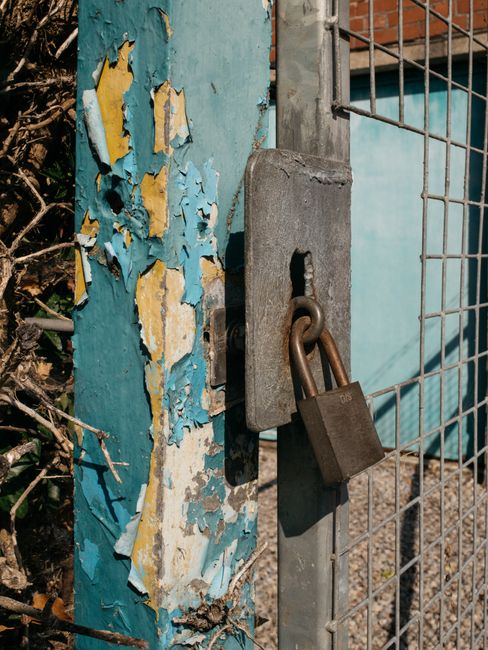
What to know about access issues for Barnes gardeners

If you are arranging garden work in Barnes, access is often the detail that decides whether the job feels smooth or slightly chaotic. A tidy plan can become a messy one very quickly if there is no room for tools, no gate key, or a narrow side return that nobody mentioned until the day itself. That is why What to know about access issues for Barnes gardeners matters so much: it is not just about getting into the garden, it is about making sure the whole visit is safe, efficient, and realistic from the start.
In a place like Barnes, you will sometimes see shared alleyways, tight terraces, rear access through neighbouring properties, awkward steps, or parked cars that block the easiest route. None of that is unusual. In fact, it is pretty normal. The good news is that most access problems can be handled well if they are discussed early, measured sensibly, and factored into the quote and schedule before anyone turns up with mowers, hedge cutters, or a wheelbarrow that suddenly looks too wide for comfort.
This guide walks through the practical side of access, including why it matters, how it works on real jobs, common mistakes, and what to prepare before a gardener arrives. It also covers safety, best practice, and a few local realities that are easy to overlook when you are just trying to get the garden back into shape.
Why access issues matter in Barnes
Access is one of those things you barely notice when it works well. But when it does not, the whole visit can slow down. A gardener may spend extra time carrying tools through a narrow passage, work more carefully around fragile paving, or need help reaching a rear garden that only opens through another entrance. That affects timings, labour, and sometimes the scope of what can realistically be completed in a single visit.
For Barnes gardeners, access matters because many jobs rely on moving equipment in and out repeatedly. Lawn mowing is straightforward if the route is open, but less straightforward if the mower has to be lifted over a step and through a slim gate. Hedge trimming can be simple on paper, yet awkward if cuttings need to be moved through a house or down a shared path. Garden clearance is another obvious example: bulky waste, branches, and green debris all need somewhere to go, and the exit route is part of the job, not an afterthought.
There is also a safety angle. Slips, trips, repetitive lifting, awkward angles, blocked routes, and poor visibility all increase risk. That does not mean the work cannot be done. It just means the access conversation needs to happen before the first cut is made. If a company keeps that part of the process clear, you can usually expect better planning and fewer surprises. If you want to understand the wider service context first, it can help to review the full services overview alongside your access needs.
And let's face it, nobody enjoys the awkward mid-job moment where everyone realises the compost bags have to come through the kitchen because the side gate sticks. Better to avoid that little drama entirely.
How access planning works in practice
Good access planning starts before a gardener arrives on site. Usually, it begins with a few simple questions: where is the garden entered from, how wide are the openings, is there a key code or locked gate, and can equipment be brought in without disturbing neighbours? From there, the gardener can judge what tools to bring, whether extra labour is needed, and whether the task should be split over more than one visit.
In many cases, access falls into one of a few broad types:
- Direct access: a straightforward front or rear route with enough space for equipment.
- Restricted access: narrow side passages, small gates, or shared entrances that limit movement.
- Indirect access: entering through a building, neighbour-approved route, or another non-standard path.
- Limited vehicle access: the garden is reachable on foot, but waste removal or deliveries may need extra handling because vans cannot park nearby.
Once the access type is clear, a practical plan follows. That may include taking manual tools instead of larger machines, bringing lighter bags for arisings, protecting floors or path edges, and allowing more time for moving materials. For bigger jobs, especially those involving heavy growth or overgrown spaces, it can also influence whether the work is classed more like routine upkeep or a larger-scale garden clearance.
If the visit involves lawn work, an open route matters for moving a mower cleanly and without damage to the lawn edge. In those cases, a gardener may also discuss the right approach through lawn mowing services. Similar thinking applies to hedges, trees, and structural features. A narrow route may be fine for light pruning, but not ideal for removing bulky cut branches or accessing higher growth safely. The job should fit the garden, not the other way around.
Sometimes access is less about physical space and more about coordination. For example, if a neighbour controls the only sensible rear path, you may need to arrange permission in advance. Or if you have a dog that needs to be secured, that is access too, in a practical sense. Tiny detail? Not really. These are the things that can make or break a calm visit.
Key benefits of sorting access early
When access is planned properly, the gains are immediate. The gardener arrives with the right kit, the work starts on time, and there is less back-and-forth on the day. That saves everyone a bit of stress. There are also some less obvious benefits that people often miss.
- Better pricing accuracy: clear access information helps produce a quote that reflects the real amount of work involved.
- Fewer delays: no time is wasted improvising around locked gates, blocked paths, or surprise steps.
- Safer working conditions: moving equipment and waste becomes much easier when the route is known.
- Less disruption: neighbours, family members, and anyone sharing the property are less likely to be inconvenienced.
- Cleaner finish: the team can focus on the garden rather than on logistical workarounds.
Access planning also helps with service matching. A quick front-garden tidy may only need light tools, while a bigger project with overgrowth, decking areas, or layout changes may need a more considered approach. If you are weighing up broader improvements, it is worth looking at landscaping and landscape gardening options as well, because access can influence not just maintenance but the kind of design solutions that are realistic in the first place.
Expert summary: the best access arrangements are usually the boring ones. Clear, measured, properly communicated, and checked before the job day. Boring is good here.
Who this is for and when it makes sense
This guidance is useful for almost anyone arranging garden work in Barnes, but it becomes especially relevant in a few common situations.
- Homeowners with rear gardens reached only through a narrow side entrance.
- Landlords and letting agents organising maintenance between tenancies.
- Older residents who want work completed with minimal disruption inside the property.
- Busy households where gates, pets, children, or parked cars affect movement.
- Properties with shared access where neighbour cooperation matters.
- Gardens with heavier work such as overgrown hedges, awkward trees, or large waste removal.
It also makes sense if you are booking repeat maintenance rather than a one-off visit. Regular garden maintenance is much easier to schedule when access is already agreed and consistent. That tends to reduce friction over time. The team knows the route, you know the routine, and the job becomes pleasantly uneventful, which is exactly what most people want from garden care.
If your property includes built features such as steps, raised areas, or a decked section, access can affect how those areas are cleaned, edged, or repaired. In that case, it may help to review the practicalities of decking services too, especially if the deck area sits between the main entry point and the garden beyond.
Step-by-step guidance for homeowners
Here is a simple way to prepare access before your gardener arrives. It sounds basic, but basic is often what works best.
- Walk the route yourself. Start from where the gardener is likely to enter and notice anything tight, uneven, locked, slippery, or hidden.
- Measure key pinch points. Gate widths, passage widths, step heights, and door openings can all matter more than people expect.
- Check for obstacles. Bikes, bins, plant pots, hose reels, compost bags, and patio furniture often block the easiest route.
- Confirm key access details. Think keys, fobs, codes, alarm disarms, and any neighbour permissions that might be needed.
- Describe the surface conditions. Slippery paving, loose gravel, muddy patches, or cracked slabs affect safe movement.
- Share parking reality. If the van cannot stop nearby, say so. It is much better to be direct about it.
- Flag special risks. Dogs, fragile ornaments, irrigation lines, weak fencing, or overhead cables should all be mentioned.
- Ask whether the access changes the service plan. A good gardener will tell you if the job needs more time, different tools, or a different approach.
One small but helpful habit: take a couple of phone photos of the route before the job. A picture of the side entrance, the gate latch, or the narrow path can explain the situation faster than a long message. Not glamorous, but effective.
If you are booking the work from scratch, it is sensible to discuss costs alongside access. A transparent estimate should reflect any extra handling, travel time, or labour involved, and the pricing and quotes page is a useful place to understand how that discussion is usually framed.
Expert tips for better results
From a practical point of view, a few small decisions make a big difference.
Keep the route clear the day before. It sounds obvious, but chairs, bins, and garden toys have a habit of appearing exactly where they should not. Clearing the route the night before saves time and prevents minor delays in the morning.
Use temporary lighting if needed. Winter afternoons can disappear quickly in London. If access is through a dim side passage or rear lane, a little extra light makes the whole job safer and easier. This is one of those details people forget until the route feels much more awkward than it looked at noon.
Think about waste as well as entry. Access is not only about getting in. It is also about getting cuttings, soil, bags, and tools back out. If the job will produce a lot of waste, factor that in early. For larger one-off jobs, discussing garden clearance can be more realistic than squeezing a clearance-level task into a normal maintenance visit.
Match the service to the access. If a garden is difficult to reach, the smartest plan may be a phased visit: first a tidy-up, then follow-up pruning, then waste removal. That is usually better than trying to do everything at once and ending up rushed.
Keep communication simple. A short message like "Rear access through narrow side gate, key in lock box, no vehicle access close by" is often all a gardener needs to prepare properly. Clear beats clever here.
If you have seasonal jobs such as hedge reduction or tree work, the route matters even more because cuttings can be bulky and awkward. It is worth reviewing hedge trimming or tree lopping and removal if those tasks are on your list. Different jobs create different access pressures, and a one-size-fits-all assumption tends to go wrong.
Common mistakes to avoid
A lot of access problems come down to assumptions. Honest ones, usually, but still assumptions.
- Assuming the gate is wide enough. "It should be fine" is not a measurement.
- Forgetting about waste exit routes. Getting in is only half the job.
- Not mentioning locked or shared access. A locked gate in a shared alley can stop work altogether.
- Leaving obstacles in place. A wheelbarrow does not enjoy squeezing past patio chairs.
- Ignoring weather conditions. Wet steps, mossy paving, and muddy paths become much trickier after rain.
- Failing to mention pets or children. That can affect timing, access, and safety.
- Booking the wrong type of service. A job that looks simple from the front gate may be a bigger logistical task once the full route is known.
Another easy mistake is waiting until the morning of the visit to mention everything. At that point, it may still be manageable, but the options are narrower. Better to raise concerns early, even if you are not sure they matter. A decent contractor would rather know too much than too little.
There is a practical middle ground here too. You do not need to over-explain every detail of your garden. Just the details that affect movement, safety, or the waste trail. That is the sweet spot.
Tools, resources and recommendations
You do not need specialist equipment to prepare access well, but a few everyday items help more than you might expect.
- Tape measure: useful for gate widths, side passages, and step clearances.
- Phone camera: quick photos of entrances, locks, and obstacles save time.
- Notepad or phone notes: handy for recording key codes, neighbour instructions, or access times.
- Basic floor or path protection: if indoor access is needed, think about runners, dust sheets, or simple protective coverings.
- Head torch or temporary light: practical for darker entries or winter visits.
From a service perspective, it helps to have a clear view of what kind of work you need. Routine visits, hedges, mowing, clearance, and design-led projects all have different access demands. If you are exploring longer-term improvements, landscape gardening and landscaping can help you think more strategically about the garden layout itself, including whether access could be improved over time rather than worked around forever.
If you are concerned about sustainability and how waste is handled, it can also be worth reviewing the company's approach to recycling and sustainability. That is especially relevant when access affects how clippings and debris are gathered, sorted, and removed. Little details, yes, but they add up.
Law, compliance, standards and best practice
Access issues are not just a convenience issue. They touch safety, duty of care, and practical compliance. In UK garden work, the exact obligations depend on the job, the property, and the people involved, but a few broad principles always apply.
Health and safety comes first. If access is too narrow, unstable, or poorly lit, the safer choice may be to change the method rather than push through. That could mean smaller tools, additional time, or a different route. It can also mean declining part of the work until access is improved. That is not awkward; it is sensible.
Property boundaries and permissions matter. If the easiest route crosses shared land or a neighbour's property, permission should be clear before work begins. It avoids disputes and makes the visit much smoother. When there is any uncertainty, written confirmation is better than a quick verbal nod in the rain outside.
Insurance and risk management are relevant. A professional garden service should consider whether its methods are suitable for the access conditions. If a heavy item needs moving through a difficult route, that may require extra care or a different plan. You can usually get a clearer sense of this by reading the company's insurance and safety information alongside its health and safety policy.
Accessibility should be handled thoughtfully. Not every garden route is equally easy for every person. If you or a family member has mobility concerns, the access plan should be realistic and respectful. For formal accessibility information, the site's accessibility statement is the place to look.
Terms and payment should be understood in advance. If access changes the scope of the work, there should be a transparent way to deal with that. It is worth understanding the terms and conditions and the approach to payment and security before the job starts.
Options, methods and comparison
Different access situations call for different working methods. Here is a simple comparison that may help you judge what your garden needs.
| Access situation | Best-fit method | What to expect | Main watch-out |
|---|---|---|---|
| Wide, direct rear access | Standard maintenance visit | Fast setup, easy waste movement, fewer delays | Still check for steps, locks, and surface condition |
| Narrow side passage | Light tools, smaller loads, careful planning | More manual handling, slower movement, tidy route needed | Tool width and waste carry distance |
| Shared or neighbour-dependent access | Pre-arranged scheduling and clear permission | May need coordination before arrival | Delays if access is not confirmed |
| Limited vehicle access | On-foot transport and staged waste removal | Possible extra labour and time | Parking constraints and carry distance |
| Overgrown or cluttered route | Route clearing first, then garden work | May need a phased approach | Safety and damage risk if rushed |
That table is not meant to be rigid. Real gardens are messier than neat categories. A property can sit somewhere between two rows, which is exactly why a short access discussion often gives the best outcome. The important thing is to match the method to the site, not to the marketing brochure version of the site.
Case study or real-world example
A typical Barnes scenario might look like this. A homeowner books regular garden maintenance for a small rear garden. On paper, it sounds simple enough. But the only route is a narrow side passage with a low step, a slightly sticky gate latch, and two bins that usually sit right in the middle of the path. The first visit takes longer than expected because the team has to move carefully, shift the bins, and carry debris out in smaller loads.
On the second visit, the access is managed better. The homeowner clears the path the night before, leaves the gate unlocked at the agreed time, and warns the gardener that the dog will be inside the house. Nothing dramatic. No fuss. The visit runs smoothly, the work is finished sooner, and the garden looks better because the team can focus on the planting and trimming rather than on route-solving.
That is the real lesson. Access problems are rarely impossible. They are usually just information problems. Once everyone knows what they are dealing with, the garden work becomes much easier to deliver.
In a few cases, the route itself may suggest a wider rethink of the garden layout. If people regularly struggle to move through certain areas, it may be worth exploring landscape gardening or structural improvements over time so the space works better day to day. Not every access issue needs a permanent fix, but some do.
Practical checklist
Use this quick checklist before a gardener visits:
- Gate widths and passage widths have been checked.
- Keys, codes, or fobs are ready.
- Neighbour permission is confirmed if needed.
- The route is clear of bikes, bins, toys, and furniture.
- Pets are secured during the visit.
- Parking and vehicle access have been explained.
- The surface is safe enough for walking and carrying tools.
- The type of work matches the level of access available.
- Waste removal has been considered as well as entry.
- Any special risks have been mentioned early.
If you can tick most of those items, you are already ahead of the game.
Conclusion
Access is one of the most practical parts of garden care, and in Barnes it often matters more than people expect. A narrow gate, shared path, awkward step, or tricky parking spot can change the pace of a job, the tools needed, and even the service recommendation. The good news is that none of this is complicated once it is discussed properly.
What to know about access issues for Barnes gardeners comes down to a simple idea: tell the truth about the route, think about the exit as well as the entrance, and plan the work around the real conditions on site. That approach saves time, reduces risk, and helps you get a cleaner result with less fuss. And really, that is what most people want. No drama, just a well-kept garden and a job that runs like it should.
Get a free quote today and see how much you can save.
For a friendly next step, you can also learn more about the team on the about us page or use the contact us page if you want to talk through your access setup before booking.
Frequently Asked Questions
What should I tell a gardener about access before the visit?
Share the route into the garden, gate widths if you know them, locked or shared entrances, parking limits, steps, pets, and any obstacles such as bins or bikes. A few clear details are usually enough.
Do narrow side entrances make garden work more expensive?
Sometimes they can, because narrow access may mean slower movement, smaller loads, or more manual handling. That is not automatic, though. It depends on the job and how restrictive the route is.
Can gardeners work through a neighbour's property if that is the only route?
Only if permission is clearly in place. Shared or third-party access should be agreed in advance. It is much better to confirm that early than to discover a problem on the day.
What if there is no vehicle access close to the garden?
That is common enough. Work can still go ahead on foot, but it may affect timings and waste removal. The gardener may need to use smaller loads or allow extra time for carrying materials.
Should I clear the access route myself?
Yes, if you can. Moving bins, bikes, tools, and outdoor furniture out of the way makes a real difference. It is one of the easiest ways to help the visit run smoothly.
How do access issues affect hedge trimming or tree work?
Those jobs often produce larger cuttings and need more careful movement of waste. If access is tight, the team may need to adjust the method, break the work into stages, or use lighter tools.
What if my garden is only reachable through the house?
That can still work, but it should be discussed clearly. Floor protection, careful carrying, and a route that avoids damage become important. It is all manageable, just more sensitive.
Are access problems a safety concern?
Yes, they can be. Uneven steps, slippery paths, tight turns, and poor lighting all increase risk. A professional gardener should take those conditions into account before starting.
Can access issues change the quote?
They can, if they add time, labour, or extra handling. A good quote should reflect the actual site conditions rather than a generic guess.
What is the best way to explain access in one message?
Keep it short and practical. For example: "Rear garden via narrow side gate, key in lock box, no vehicle access close by, bins will be moved before arrival." That is the kind of message people can work with immediately.
Should I mention access if it seems only slightly awkward?
Yes. Slightly awkward often becomes very awkward once tools and waste are involved. If in doubt, say it. It usually helps more than it hurts.
Where can I find more information about safety and policies?
The most relevant pages are the site's health and safety policy, insurance and safety information, and accessibility statement. They help set expectations in plain terms.