Castelnau garden maintenance services trusted Barnes gardeners
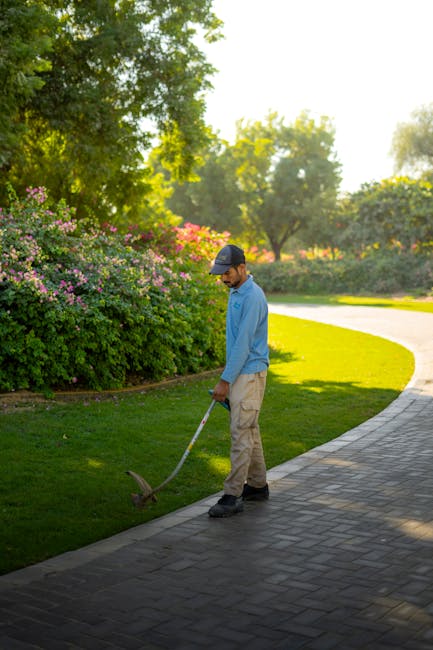
If your garden in Castelnau has started to feel a bit unruly, you are not alone. One week it looks fine, the next there are edges softening, hedges leaning out, and a lawn that seems to have decided it prefers chaos. That is where Castelnau garden maintenance services trusted Barnes gardeners come in: practical, regular care that keeps outdoor spaces healthy, tidy, and genuinely pleasant to use.
This guide explains what garden maintenance usually includes, how a dependable local service works, what to expect from a visit, and how to choose the right support for your home. Whether you want weekly upkeep, a seasonal reset, or help bringing an overgrown space back under control, the aim here is simple: give you the clarity to make a good decision without the guesswork.
To make this easier to scan, here is a quick route through the article.
- Why it matters
- How it works
- Key benefits
- Who needs this
- Step-by-step guidance
- Expert tips
- Common mistakes
- Tools, resources and recommendations
- Law, compliance and best practice
- Options and comparison
- Case study
- Checklist
- Conclusion
- Frequently asked questions
Why Castelnau garden maintenance services trusted Barnes gardeners Matters
Garden maintenance is not just about appearances, though that is often the first thing people notice. In a place like Castelnau, where gardens can range from compact town plots to larger family spaces, consistent care helps prevent small jobs from turning into expensive headaches. A hedge left for too long becomes harder to shape. A lawn left unmanaged can thin out. Beds that are not cleared properly can quietly invite weeds, pests, and drainage issues.
That is the practical side. There is also the everyday side. A neat front garden changes how your home feels when you come back to it after a long day. A workable rear garden gives you somewhere to sit with a coffee, watch the children, or enjoy an evening that actually feels calm. Quite simple, really. But easy to lose when maintenance slips.
Trusted Barnes gardeners bring local judgement into the mix. They understand that London gardens do not always behave like the glossy pictures in magazines. Shade, narrow access, awkward soil, privacy needs, and changing weather all shape what your outdoor space needs. A reliable gardener does not just cut and tidy. They notice patterns: where water gathers, what is struggling, what needs thinning, and what can wait until the right season.
For homeowners, landlords, and busy families, that local awareness matters because it helps prevent wasteful work. You do not want someone trimming the wrong way in midsummer or stripping back growth that should have been left for nesting season. You want sensible decisions, careful timing, and a steady hand.
If you are exploring broader support as well as maintenance, it can help to look at the wider services overview and the core garden maintenance service page for a fuller picture of what is usually covered.
How Castelnau garden maintenance services trusted Barnes gardeners Works
Most garden maintenance starts with a simple conversation and a look at the space. That first assessment is where the useful judgement happens. The gardener will usually note the size of the garden, the condition of the lawn, hedge height, access points, any waste that needs removing, and whether there are features such as decking or paths that need careful working around.
From there, the work is usually tailored. A small weekly visit might focus on mowing, edging, light pruning, and tidying beds. A monthly or seasonal visit may go deeper: clearing accumulated debris, resetting borders, reducing hedge bulk, and preparing the garden for the next stretch of weather. In truth, the right rhythm depends on how you use the space. A family garden with heavy footfall often needs a different pattern from a quieter decorative plot.
In a normal maintenance visit, you can expect a mix of these tasks:
- lawn cutting and basic edging
- hedge trimming and shape control
- weeding and border tidying
- deadheading and selective pruning
- leaf collection and general clearance
- minor waste removal and tidy-up
- checking for obvious issues such as poor drainage, overgrowth, or damaged areas
Some jobs naturally sit alongside maintenance. For example, if hedges have become too dense, a dedicated hedge trimming visit may be more sensible than folding the work into a quick tidy. If the garden is heavily cluttered after a long period of neglect, a one-off garden clearance may be the better starting point before regular upkeep begins.
A good service should also be clear about safety and access. If tools are being used near fences, slopes, paved surfaces, or children's play areas, the team should work carefully and explain any temporary limits. That sounds obvious, but to be fair, the obvious stuff is exactly what separates a decent service from a frustrating one.
Key Benefits and Practical Advantages
People often think maintenance is mainly about saving time. It is, but that is only the beginning. The benefits stack up in very practical ways.
1. Your garden stays manageable
Regular care keeps plants, lawns, and borders within a sensible rhythm. Instead of reacting to problems, you stay ahead of them. That usually means less drastic work later, and less expense too.
2. The space looks cared for year-round
Even a modest garden feels better when the lines are clean and the borders are under control. It is the difference between "kept" and "left to fend for itself." Small detail, big effect.
3. Plants often perform better
Healthy pruning, the right mowing height, and timely deadheading all support stronger growth. A gardener does not just remove things; they help the plant put energy where it belongs. That is the bit many people miss.
4. You reduce avoidable risk
Overgrown branches, slippery build-up on paths, hidden trip hazards, and blocked drainage can all become problems. Regular attention lowers those risks. If tree work is needed, a specialist tree lopping and removal service may be the safer route than leaving it until a branch becomes awkward or dangerous.
5. It supports property value and everyday usability
A tidy outdoor space makes a home feel more complete. Not flashy. Just ready. That matters whether you are staying put or thinking about future resale.
Practical summary: if a garden is maintained regularly, the work tends to stay lighter, the results last longer, and the space is easier to enjoy. Letting everything drift usually costs more in time, effort, and stress. It really does.
Who This Is For and When It Makes Sense
Garden maintenance services suit more people than you might expect. It is not only for large gardens or people with no time. In Castelnau, the service often makes the most sense for homes where regular upkeep is needed but hard to keep on top of consistently.
Homeowners
If you want your garden to look neat without losing your weekends to mowing, clipping, and weeding, regular support can be a relief. It is especially useful if your garden has mixed planting, hedges, and a lawn that needs more than a quick mow.
Landlords and letting agents
Vacant or tenant-used gardens can deteriorate quickly. A well-kept outdoor space helps properties show better and avoids the "it has been a while" look that often puts people off before they even step inside.
Busy families
If you want the garden to be usable rather than just presentable, maintenance makes life easier. Children's play areas stay clearer, paths stay safer, and the whole space feels less like a chore.
Older homeowners
Some garden jobs simply become harder with time. Carrying waste, using ladders, or bending for long periods is not fun. A reliable team can take on the heavier or more repetitive work so you can still enjoy the garden without the strain.
People with newly neglected gardens
If life got busy, or the previous maintenance routine stopped for a while, starting again can feel overwhelming. That is normal. The best route is often clearance first, then a manageable upkeep plan. A maintenance visit is much more effective once the garden has been reset.
And here is the honest bit: if you are only noticing the garden when it looks bad, that is often the point when a structured service becomes worth it. Not because you have failed it. Because it has simply got ahead of you.
Step-by-Step Guidance
If you are wondering what to do next, here is a practical way to approach garden maintenance without overthinking it.
- Walk the garden properly. Look at the lawn, hedges, borders, paving, fences, and any awkward corners. Notice where growth is thickest and where the space feels tired.
- Separate the jobs. Decide what needs urgent action, what needs routine maintenance, and what may need specialist help. A hedge trim is different from full clearance, and both are different from landscaping work.
- Think about frequency. Some gardens need weekly or fortnightly attention. Others are better served by monthly or seasonal visits. There is no universal answer.
- Set the standard you want. Do you want a low-maintenance family garden, a tidy formal look, or a softer planting style? That affects how the work should be carried out.
- Ask about waste and finish. A proper service should leave the space neat, with cuttings, clippings, and debris dealt with responsibly.
- Check how the team works safely. This matters more than people think, especially if there is decking, steep access, or large woody growth. The site should be worked on carefully and sensibly.
- Review after the first visit. A good gardener will usually fine-tune the next visit based on how the garden responds. That small adjustment can make all the difference.
If the garden needs improvement beyond routine care, you may also want to consider broader landscaping or landscape gardening work to improve layout, drainage, planting flow, or usability.
Expert Tips for Better Results
A few small habits make maintenance more effective. Nothing dramatic. Just the sort of practical detail that keeps a garden looking good for longer.
Match the work to the season
Pruning, feeding, mowing, and clearing all work better when timed well. A gardener with local experience will usually know when a light touch is better than a heavier one. That judgment matters. A lot.
Do not cut everything back at once
It is tempting, especially when the garden looks messy. But blunt, heavy cutting can shock plants and leave the space looking bare. Better to shape gradually and keep the structure intact where possible.
Keep access clear
If a team is due to visit, give them easy access to taps, gates, waste storage, and the main working areas. Saves time, avoids delays, and honestly makes the whole visit feel smoother.
Use maintenance to spot problems early
Garden care is a bit like a regular check-up. You notice broken edging, emerging pest issues, soil compaction, or weak growth before they become annoying. That early spotting is useful, even if it sounds unglamorous.
Choose consistency over occasional heroics
A once-a-year big tidy might feel satisfying for a day or two, but steady maintenance usually gives far better results. Less drama. More control.
A small aside: the best-looking gardens are rarely the ones that get the most grand gestures. They are the ones that get looked after regularly, quietly, and without fuss.
Common Mistakes to Avoid
There are a few mistakes people make again and again when trying to manage garden upkeep. Most are easy to avoid once you know what to look for.
- Leaving maintenance too long. Small jobs become large ones fast. Especially in spring and early summer, growth does not wait politely.
- Using the wrong service for the job. A tidy-up is not the same as clearance, and clearance is not the same as redesign.
- Cutting hedges or shrubs without a clear plan. Random trimming often leaves awkward shapes that take months to recover.
- Ignoring lawn edges and borders. These details are what make a space feel finished.
- Overlooking waste removal. What looks like a small pile can turn into a proper nuisance if it is not dealt with.
- Choosing purely on price. Cheapest is not always best. Sometimes it is just quicker in the wrong way.
- Not asking about insurance and safety. If machinery, ladders, or tree work are involved, you want reassurance that the team operates responsibly. The page on insurance and safety is worth reviewing when you are comparing providers.
One more thing: do not assume every garden needs the same treatment just because it sits in the same neighbourhood. Soil, shade, layout, and how the garden is used day to day can change everything.
Tools, Resources and Recommendations
You do not need to be a gardening expert to make good decisions, but it helps to understand the basics of the tools and methods involved. That way, conversations with a gardener are clearer and you can spot good practice more easily.
Useful tools in routine maintenance
- lawn mower or strimmer for regular grass care
- secateurs for light pruning and deadheading
- hedge trimmers for shaping and control
- leaf rakes and collection tools for seasonal clear-up
- wheelbarrows or bags for waste handling
- edging tools for sharper lawn definition
When a tool is not the right answer
Sometimes the issue is not tool choice but job size. A small hedge can be managed neatly with hand tools, while a large, dense hedge may need more specialist attention. The same applies to tree growth, awkward access, or large-scale clutter. It is better to use the right level of service than to force a quick fix.
Helpful recommendations
- Keep a simple note of what the garden needs each season.
- Take photos before and after work so you can track progress. Handy, and a little satisfying.
- Ask for a maintenance rhythm that fits your actual routine, not your ideal one.
- Review the provider's approach to waste, safety, and payments before work starts. Pages like payment and security and pricing and quotes can help set expectations.
- If sustainability matters to you, it is sensible to ask how green waste and reusable materials are handled. The recycling and sustainability information is useful in that respect.
Law, Compliance, Standards, or Best Practice
Garden maintenance is not usually a heavily regulated service in the way some other trades are, but there are still sensible standards to expect. In the UK, a professional approach should take account of safety, waste handling, property access, and basic duty of care. That sounds dry on paper, yet it matters in real life.
For example, if ladders, cutting equipment, or tree work are involved, safe working methods become important very quickly. If a team is handling substantial tree growth, the task may fall outside routine maintenance and into specialist work. Likewise, if waste is being removed, it should be handled responsibly rather than left dumped in a corner because nobody fancying a second trip.
Best practice usually includes:
- clear communication about the scope of work
- careful handling of tools and machinery
- attention to surfaces, access routes, and nearby structures
- appropriate disposal of green waste
- transparent pricing and realistic timing
- respect for neighbours and shared boundaries
If a contractor cannot explain how they approach safety, insurance, or waste, that is a red flag. Not always a giant one, but enough to pause. A trustworthy service should be comfortable discussing those basics in plain English. No drama, no jargon.
Options, Methods, or Comparison Table
When people ask about garden help, they are often really asking, "What level of service do I need?" The table below gives a simple comparison of common options.
| Option | Best for | Typical focus | Good to know |
|---|---|---|---|
| Routine garden maintenance | Homes that need regular care | Mowing, edging, pruning, weeding, tidying | Best for keeping things under control all year |
| One-off garden clearance | Neglected or cluttered gardens | Bulk removal, debris clearing, reset work | Often the right first step before ongoing upkeep |
| Hedge trimming | Overgrown or untidy hedges | Shaping, height control, boundary neatness | Helpful when hedges dominate the look of the garden |
| Lawn mowing | Lawns needing regular presentation | Cutting, edging, basic finish | Usually works best on a repeat schedule |
| Landscaping or redesign | Gardens that need structural improvement | Layout, surfaces, planting flow, new features | More involved, but useful if the space no longer works well |
If you are undecided, ask a simple question: do I need upkeep, or do I need change? That question clears up a lot, surprisingly quickly.
Case Study or Real-World Example
Imagine a cast-iron-fenced garden in Castelnau that has looked fine from a distance but has quietly become awkward to use. The lawn has patches where it never quite recovers after rain. The hedge by the boundary is starting to lean outward. A corner bed is full of clippings, old leaves, and a few stubborn weeds that keep returning.
The first visit would usually focus on reset and clarity. Clear the debris. Tidy the borders. Reduce the hedge to a manageable shape. Check the lawn edges. Then, once the space is easier to work with, move into a maintenance rhythm that suits the property: perhaps fortnightly in the growing season and less often in winter.
The result is not magical. It is better than that. The garden starts to feel usable again. You can see the boundaries. The lawn looks cared for. The whole space stops nagging at you every time you look out the window at 7am and think, not today.
That is the real value of reliable maintenance. It brings the garden back into everyday life instead of leaving it as a background worry.
Practical Checklist
Before booking garden maintenance, it helps to run through a quick checklist. Nothing fancy. Just the basics.
- Do I want regular upkeep, one-off help, or both?
- Is the garden mainly overgrown, or just in need of routine care?
- Are there hedges, lawns, borders, decking, or trees that need separate attention?
- Do I need waste removed from the site?
- Is access straightforward, or are there narrow paths and awkward corners?
- Do I have any safety concerns around slopes, surfaces, or heavy growth?
- Have I looked at pricing, payment details, and service scope?
- Am I happy with how sustainability and waste handling are approached?
- Do I know what standard of finish I want?
- Have I checked the provider's background and service information, including about us and contact us details?
Quick takeaway: the clearer your starting point, the easier it is to get a good result. A little planning upfront saves a lot of back-and-forth later.
Conclusion
Castelnau garden maintenance services trusted Barnes gardeners are really about one thing: keeping your outdoor space useful, attractive, and under control without adding stress to your week. The best service will not just cut, trim, and move on. It will understand the shape of the garden, the way you use it, and the kind of upkeep that makes sense over time.
If you take anything from this guide, let it be this: routine care is easier, safer, and usually more cost-effective than waiting until the garden has become a job in itself. Whether you need simple lawn work, hedge shaping, a clearance, or a broader maintenance plan, the right support makes a noticeable difference. You feel it when you open the back door. You really do.
Get a free quote today and see how much you can save.
Frequently Asked Questions
What do Castelnau garden maintenance services trusted Barnes gardeners usually include?
They commonly include lawn mowing, hedge trimming, border tidying, weeding, pruning, leaf clearance, and general garden clean-up. The exact work depends on the size and condition of the garden.
How often should garden maintenance be done?
That depends on the garden and how quickly it grows. Some homes need weekly or fortnightly visits in the growing season, while others manage well with monthly or seasonal maintenance.
Is garden clearance the same as garden maintenance?
No. Garden clearance is usually a one-off reset for overgrown or cluttered spaces. Maintenance is the ongoing care that keeps the garden tidy after that initial work.
Can maintenance help if my garden is badly overgrown?
Yes, but often it is better to start with clearance first. Once the space is manageable, regular maintenance is much more effective and less overwhelming.
Do I need hedge trimming as a separate service?
Sometimes yes. If hedges are large, dense, or very untidy, a dedicated hedge trimming visit may be more appropriate than folding it into routine maintenance.
What should I ask before booking a gardener?
Ask what is included, how waste is handled, whether insurance and safety are covered, how often visits are recommended, and what happens if extra work is needed on the day.
Are there any safety concerns with garden maintenance?
There can be, especially where ladders, power tools, uneven ground, or heavy growth are involved. A professional service should work carefully and explain any risks clearly.
How do I know if I need landscaping instead of maintenance?
If the garden needs a structural change, such as new layout, surfaces, planting areas, or major improvement to usability, landscaping may be the better option. Maintenance is for upkeep rather than redesign.
Can garden maintenance include lawn care?
Yes. Lawn mowing, edging, and basic lawn care are often a core part of regular maintenance, especially where the garden is used often.
What makes a local Barnes gardener more useful for Castelnau gardens?
Local experience helps with timing, plant behaviour, access issues, and the general realities of London gardens. A gardener who understands the area is more likely to make sensible, practical choices.
Should waste and cuttings be removed after the job?
Usually yes, unless you have agreed otherwise. Clean-up and waste removal are part of what makes the service feel finished rather than half done.
Where can I learn more about the company and service standards?
You can review the services overview, the about us page, and policy pages such as health and safety policy and recycling and sustainability for a clearer picture of how work is approached.
At the end of the day, a garden should feel like a place you can enjoy, not another task hanging over you. Keep it simple, keep it steady, and the results tend to follow.